What do the Sirens Mean In The Odyssey?
By David Pineda
| Aug 15, 2026
"It told you what you most want is what you most can't have. "
This fittingly will be my first blog post, particularly because of the powerful symbol of the Sirens.
Many times, I find myself at a loss to explain the inner world that is me, mostly because I am torn by many cares and also many distractions. However, at some point in my life, I realized that my actions weren’t entirely brought on by me. Or rather, were not entirely influenced by me. Hence, I was introduced to Carl Jung and his fascinating world of the collective unconscious.
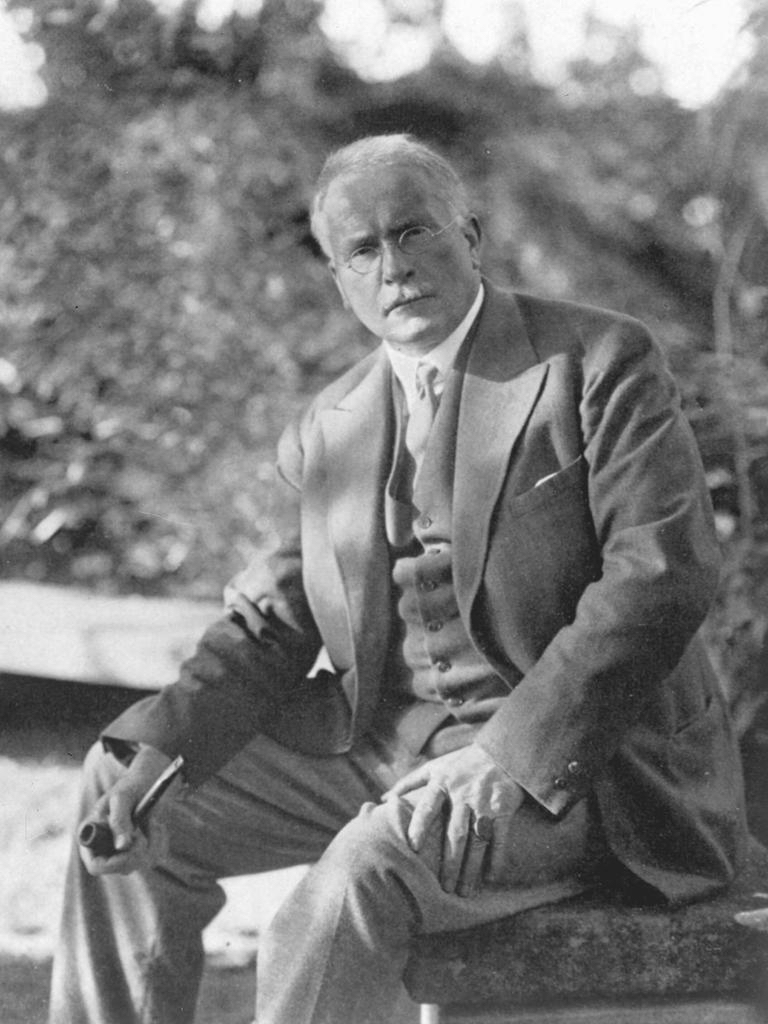
My Christian background went on board with the primary substance of Jung’s work: hijacking archetypes.
St. Paul says, “What I do, I do not understand. For I do not do what I want, but I do what I hate.”
While it is tempting to ponder the question of free will and responsibility, I refrained from it. Obviously. Instead, what really captured me was Jung’s map into the unconscious. He proposes first introspection, and then recognition of the shadows, to open the door. I feel now that I must also introduce the analogy he posed to understand his map.
He imagines the modern collective unconscious as a sort of fallen spirit: spirit becomes earth and water. What was well understood before modern man now became a dark lake, teeming with Sirens and water spirits. And as you have it, the individual lives devoid of symbols. There is a great treasure hidden at the bottom of that lake that only those who are able to look clearly at themselves can possess.
This knowledge is not superficial and, for lack of a better expression, you will not find it at the bottom of a cereal box. Or a fortune cookie. Or those self-help books. I’ve tried. Anything worth knowing about yourself comes at a price.
The things we do not face on the conscious level become shadows we run from. So they take the form of Sirens and water spirits: creatures we fear.
The new Odyssey movie has a great Siren scene that I interpret as a confrontation with our unconscious. Odysseus is a battle-torn, traumatized, and conflicted individual who has to make peace with himself in order to return home.
What would happen if we could truly look at ourselves? What if we could look at the ugly things we cringe at about ourselves—all our mistakes—and, if we have led guilt-ridden lives, do so without hating ourselves?
That’s why Jung deemed it difficult to confront these creatures. Odysseus did strap himself to the ship’s mast to keep himself from dying. Yet the experience was painful. What we cover in darkness might overtake us. However, if you can stand the confrontation, the archetype within us struggling for control loses power.
There are moments when the truth might hurt, but I must hear it. Though it takes grace to override what Saint Paul spoke about.